
Placenta Encapsulation
Placenta encapsulation has a potential regulatory effect on postpartum hormones, which can affect both postpartum moods, and milk supply.
With the exception of a few species, all mammals consume their placenta after giving birth. Some speculate that this is because of the nutritional benefits that consuming a placenta can offer after having a baby. Anecdotal evidence on placenta consumption in human beings is overwhelmingly positive. There are a few different ways in which a person can consume their placenta, but placenta encapsulation is the most popular method for human consumption. The custom of consuming the placenta is centuries old and is a tradition that has been gaining popularity in the United States. The placenta is a temporary organ created by the body during pregnancy. The placenta delivers nutrients and oxygen to a developing baby and it is full of vitamins and minerals such as B6, B12, and iron. The placenta is also hormone rich with progesterone and estrogen. Placenta Encapsulation 101…
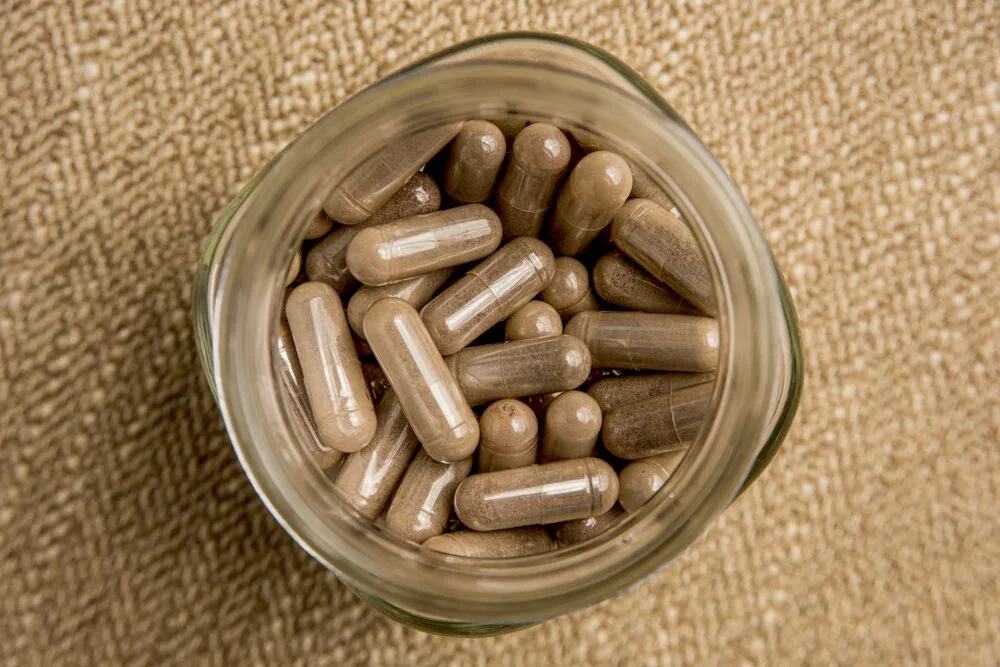
Placenta encapsulation is the practice of ingesting the placenta after it has been made into pills. Soft Landing Postpartum encapsulates placenta by steaming them with ginger, and myrrh, dehydrating them in a food grade dehydrator, grinding the placenta into powder, and encapsulating the powder into pills for ingesting. For those who chose to to encapsulate their placenta, the encapsulation process typically occurs immediately after birth and the postpartum parent starts to ingest their placenta within a few days.
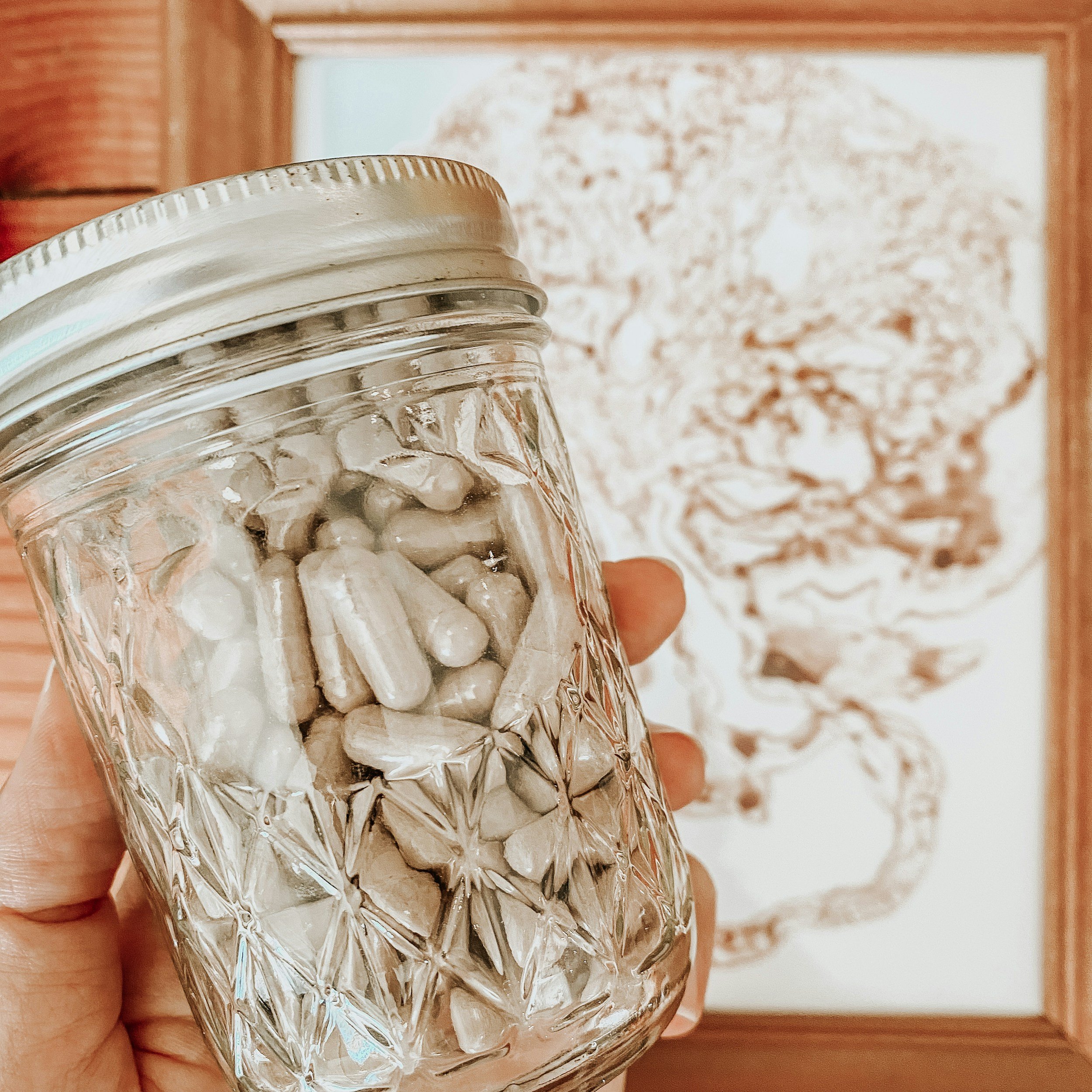
The placenta encapsulation process is typically initiated within 24 hours after birth. The placenta is laid out on a chux pad or some other protected surface and a print is made of the placenta, if the recipient desires. Next the umbilical cord is removed from the placenta along with the amniotic sac. Then the placenta is run under water and is gently massaged. Then the placenta is placed in a steamer over stovetop. The placenta is steamed for approximately 20 minutes with ginger as it is a warming herb, and myrrh since it is a microbial. When the placenta is finished steaming it is removed from the steamer and cut into slices. The placenta slices are then placed in a food grade dehydrator. The umbilical cord can also be placed in the dehydrator in order to make an umbilical cord keepsake, if the recipient desires. Once the placenta is finished dehydrating it is placed in a food processor and ground into a powder. The powder is then processed into size 00 capsules. The capsules are stored in a glass bottle and are intended to be kept in the refrigerator until they are consumed.
Data in a small study, has demonstrated that following the preparation process, hormones do remain present in the placenta. Research then shows levels of both progesterone, and estrogen are present at high enough levels that they could cause physiological effects when consumed. Leading to regulating postpartum depression, milk supply, and other health benefits. The American Pregnancy Association says, placenta encapsulation has proven to assist with mood stabilization through supplementing oxytocin levels.
Pros of Placenta Encapsulation…
While there is little evidence based information regarding placenta encapsulation, anecdotal reports suggest that it has many health benefits. The possible benefits to creating your own medicine include: a decrease in postpartum mood disorders, increased production of oxytocin, a decrease in stress hormones, restoration of iron levels following bleeding after birth, and increased milk supply.
…and the Cons
There is little research available in either support or opposition of placenta encapsulation, although there are many reported benefits. The potential benefits of placenta encapsulation include both mental and physical benefits. Each person’s experience with their placenta is a personal one. Individual assessment of one’s risk of developing a postpartum mood disorder, having milk supply issues, or possibly struggling from blood loss after giving birth may be the most appropriate guide in determining whether or not placenta encapsulation is right for that person.
Making Your Decision
If Soft Landing Placenta Encapsulation sounds like something you would be interested in reach out to us! We are committed to safe preparation and storage of the placenta in order to keep this custom low risk for anyone who is interested in possibly experiencing the great benefits of placenta encapsulation.